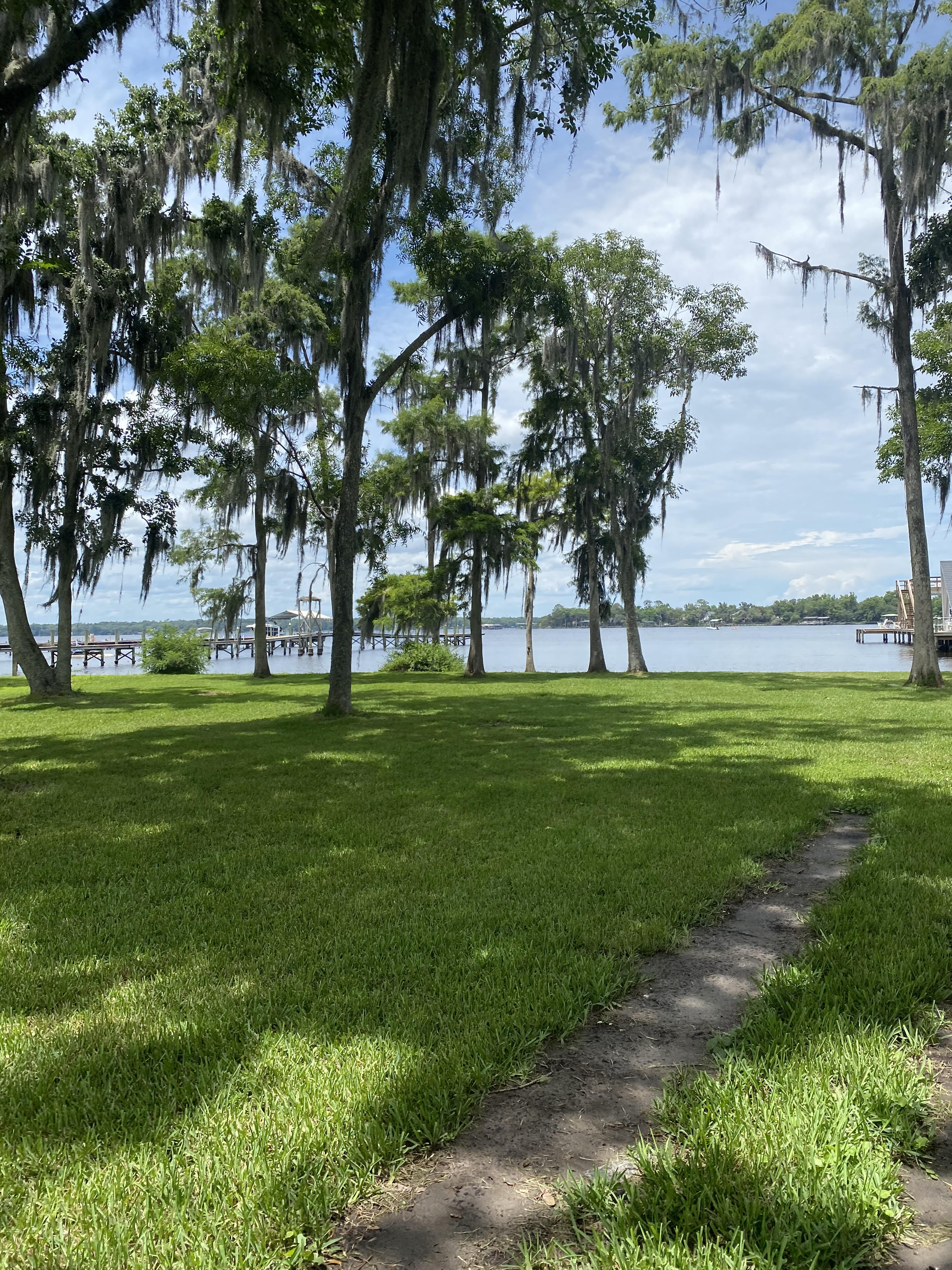
The Florida Department of Health in Clay County is warning residents to stay out of Doctors Lake. Water samples collected Tuesday, Sept. 22, and Wednesday, Sept. 23, confirmed harmful blue-green algae toxins at two locations: Doctors Lake-Center and Salt Myrtle Lane, as News4Jax reported Friday, Sept. 25.
Do not swim, wade, drink or use personal watercraft in water where a visible algae bloom is present. Boiling the water will not remove the toxins, the health department said.
Who is most at risk
Children, older adults and people with weakened immune systems may be at risk even at low toxin concentrations, according to the health department. Those groups should avoid any contact with the affected water.
Anyone who touches algae, discolored water or water with an unpleasant smell should wash skin and clothing with soap and water immediately.
Pet owners should keep animals away from Doctors Lake and provide a separate source of drinking water. Blue-green algae toxins can harm pets, fish and other aquatic animals.
Fishing and food safety
Anglers can still eat fish fillets caught in the affected water if they rinse the fillets with tap or bottled water, discard the guts and cook the fish thoroughly, the health department said. Shellfish from waters with algae blooms should not be eaten.
Residents should not cook with or use contaminated water to clean dishes.
What blue-green algae looks like
Blue-green algae are bacteria common in Florida's freshwater. Blooms can appear as scum, foam or paint on the water's surface. They may also produce floating mats and unpleasant odors. The algae can be present even when no bloom is visible.
Not the first alert this year
This is the second blue-green algae warning for Doctors Lake in 2026. The health department issued a similar caution in July for two other access points, Pace Island Dock and Eagle Harbor Waterfront, according to Clay Today. Details of that earlier alert, including whether it has been lifted, were not available.
How to report problems
Residents who spot an algae bloom can report it to the Florida Department of Environmental Protection (FDEP) at 1-855-305-3903. Anyone experiencing symptoms after exposure should call the Florida Poison Information Center at 800-222-1222.
Pet owners who believe an animal became ill after contact with the water should call a veterinarian. Dead or abnormally behaving fish and wildlife can be reported to the Florida Fish and Wildlife Conservation Commission (FWC) at 800-636-0511.
The Florida Department of Health in Clay County can be reached at 904-278-3784 for additional health questions.



.jpg)