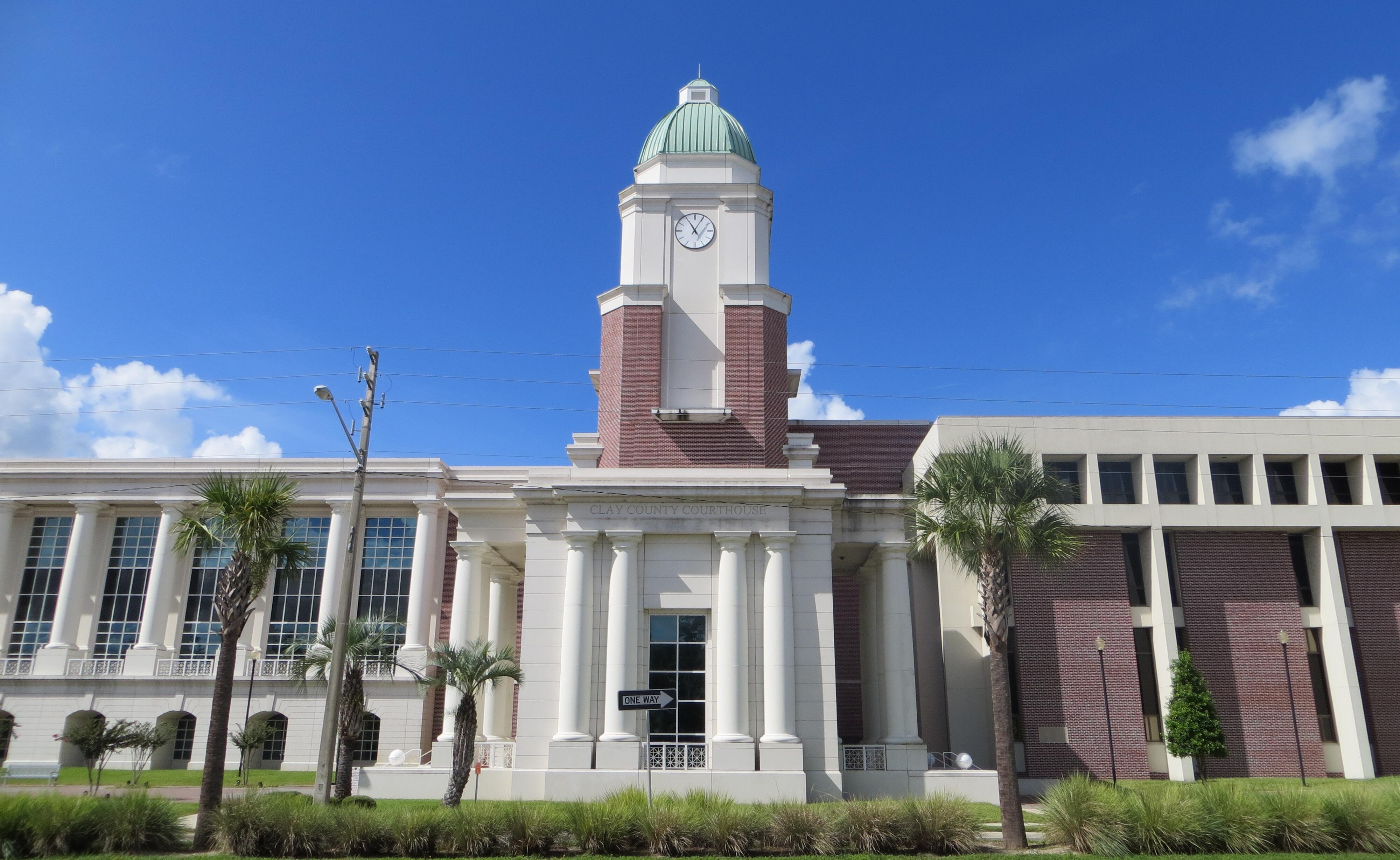
Clay County could lose an estimated $60.9 million in annual nonschool property tax revenue by fiscal year 2028-29 following Florida voters' approval of Amendment 3 on Nov. 3.
The constitutional amendment received 61.98% support statewide, according to the Florida Division of Elections' unofficial results, exceeding the 60% threshold required for passage. Approximately 65% of Clay County voters supported the measure, according to the election reporting cited in the original article.
The amendment expands homestead property tax exemptions, reduces the annual cap on assessment increases for nonhomestead properties and restricts how local governments may spend property tax revenue.
The changes will provide tax relief to eligible homeowners but could substantially reduce funding available to counties and municipalities.
A Florida TaxWatch analysis reported by ClickOrlando estimates that Clay County could lose a cumulative $342.3 million over five fiscal years, from 2027-28 through 2031-32. That ranks Clay County 30th among Florida's 67 counties for projected revenue losses.
The estimates represent potential reductions in revenue under the new tax structure, not spending cuts already approved by county commissioners.
How Amendment 3 changes property taxes
Amendment 3 expands the homestead exemption for nonschool property taxes to $150,000 in 2027 and $250,000 in 2028 for qualifying existing Florida homeowners.
Beginning in 2029, the $250,000 exemption will be adjusted for inflation.
The changes do not eliminate property taxes levied for public schools. The amendment also establishes different eligibility provisions for new Florida residents, including a five-year period before they qualify for the expanded exemption.
The measure reduces the annual cap on increases in assessed values for nonhomestead properties from 10% to 5%.
It also limits the purposes for which local governments may use property tax revenue, including public safety, infrastructure, education, natural resource protection, debt obligations and certain government operating expenses.
The amendment took effect Jan. 1, 2027, under the timeline established in the ballot proposal, with the expanded exemptions phased in over subsequent years, according to ClickOrlando's explanation of the approved measure.
For local governments, the central concern is that a smaller taxable property base could reduce revenue available to support services and infrastructure.
Clay County sheriff warned of public safety impacts
Before the election, Clay County Sheriff Michelle Cook joined Nassau County Sheriff Bill Leeper and other public safety officials in warning that Amendment 3 could reduce funding for law enforcement and emergency services.
The officials participated in an Oct. 28 news conference in Jacksonville urging voters to reject the proposal, according to News4Jax.
Leeper warned that reductions in local revenue could affect staffing and public safety operations. He said approximately 82% of the Nassau County Sheriff's Office budget goes toward personnel and that a 10% budget reduction could mean eliminating approximately 65 deputy positions.
Harold Theus, executive director of the Florida Fire Chiefs Association, also raised concerns about the potential effects of local government budget reductions on fire and emergency services.
Although Amendment 3 allows property tax revenue to be spent on public safety, it does not guarantee that law enforcement agencies or fire departments will maintain their existing funding levels.
Following the election, the Nassau County Sheriff's Office said the direct effect on its operations remained uncertain and that local governments would need to evaluate the financial implications.
"Our commitment to the citizens of Nassau County remains unchanged," the agency said in a statement reported by News4Jax.
The statement emphasized that the sheriff's office intended to continue providing public safety services while local officials assessed the amendment's effects.
Florida local governments face billions in projected losses
The projected revenue reductions extend well beyond Clay County.
The Florida TaxWatch analysis estimates that local governments statewide could lose approximately $45.84 billion in property tax revenue over five fiscal years, beginning in 2027-28.
The annual statewide reduction is projected to grow from approximately $4.93 billion in fiscal year 2027-28 to $11.83 billion in fiscal year 2031-32.
Jacksonville officials have also begun examining potential budget reductions.
Chris Hand, a government law attorney, told News4Jax that Jacksonville council auditors had estimated the city could need to reduce approximately $200 million from its $2 billion general fund operating budget.
A separate News4Jax report said Jacksonville's city auditor projected an annual property tax revenue reduction of approximately $300 million by 2029.
Jacksonville Mayor Donna Deegan said the city would review its budget and make difficult decisions while continuing to meet residents' needs.
For Clay County, the actual effect on sheriff's operations, fire protection, roads, libraries, parks and other services will depend on future budgets, property values, tax rates and decisions by local officials.
The $60.9 million annual estimate and $342.3 million cumulative projection indicate the scale of the potential revenue reduction, but they do not establish which services, if any, will be cut.